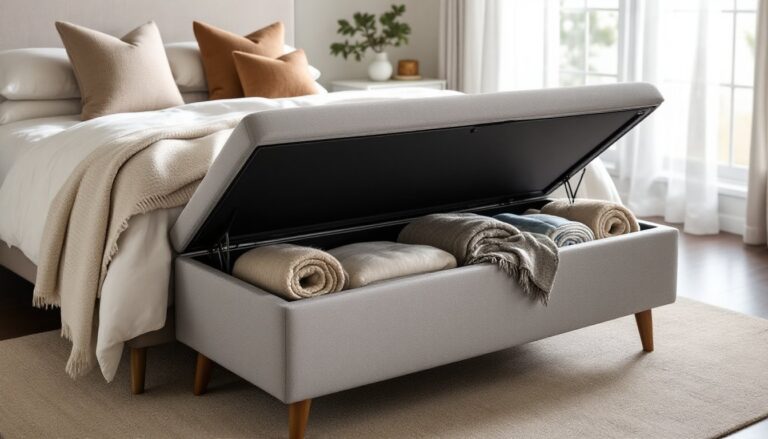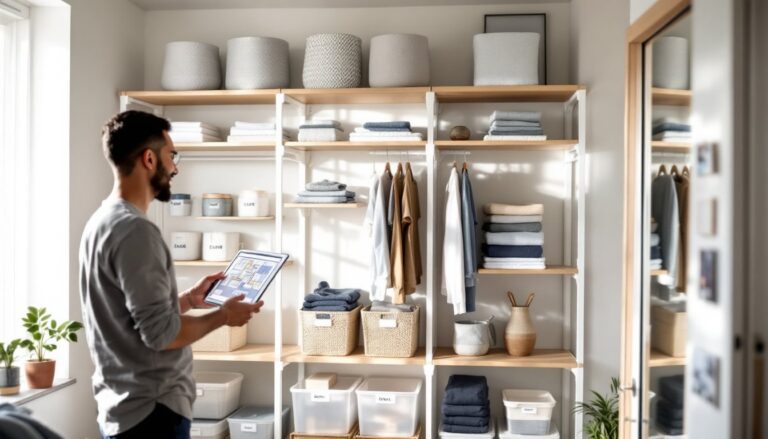
Bedroom clutter doesn’t sneak up, it creeps in one item at a time, until suddenly you’re stacking things in corners and wondering where your floor went. For most homeowners, the real estate under the bed remains untapped, wasted space when it could be working double duty. Under bed storage bins are the no-frills answer to the small-space storage puzzle. They’re practical, affordable, and require zero renovation permits. This guide walks you through choosing, measuring, and organizing under bed storage containers so you can reclaim square footage and actually find what you’re looking for.
Table of Contents
ToggleKey Takeaways
- Under bed storage bins unlock 20-30 cubic feet of wasted floor space without requiring any installation, drilling, or structural work, making them ideal for renters and homeowners alike.
- Measure your bed’s exact clearance height (8-14 inches typical) and floor footprint before purchasing storage containers to ensure bins slide smoothly without binding on the frame.
- Choose plastic bins for moisture-prone items like off-season clothes and tools, or fabric bins for lightweight seasonal décor, depending on your bedroom’s humidity levels and access frequency.
- Maximize under bed storage organization by using clear, labeled containers, keeping bins 75-80% full, and leaving 1-2 inches of air gap for ventilation to prevent moisture buildup.
- Rolling storage bins work best for frequently accessed items, while stationary options are cheaper and more practical for seasonal or archival storage retrieved only a few times yearly.
- Include moisture-control measures like silica gel packets or cedar blocks in under bed storage bins, especially in humid climates, and rotate seasonal items every three to six months for peak organization efficiency.
Why Under Bed Storage Bins Are a Game-Changer for Small Spaces
Most bedrooms have wasted real estate right at ground level. That gap between your bed frame and the floor, often 4 to 12 inches depending on your bed’s height, is prime storage territory sitting empty. Under the bed storage is one of the few solutions that requires no wall drilling, no shelving installation, and zero structural work. You just slide the container in and you’re done. This makes underbed storage solutions ideal for renters and homeowners alike who can’t commit to permanent fixtures.
The math is straightforward. A queen bed covers roughly 60 square feet of floor space. Most of that area is inaccessible, trapped under the mattress. But the void beneath? That’s 20-30 cubic feet of potential storage depending on your bed’s clearance. For under bed clothes storage, seasonal gear, extra bedding, or items you access infrequently, this is the smart zone. You’re not paying for an extra closet or adding a dresser: you’re using dead space that was always yours.
Small bedrooms benefit the most. If your bedroom doubles as a home office, guest room, or playroom, every cubic inch counts. Best under bed storage options let you organize without cluttering the visual field, everything stays hidden until you need it. Unlike stacking boxes in a corner or stuffing a closet, storage under bed keeps your room feeling open and functional.
Types of Under Bed Storage Bins to Consider
Plastic vs. Fabric: Which Material Works Best
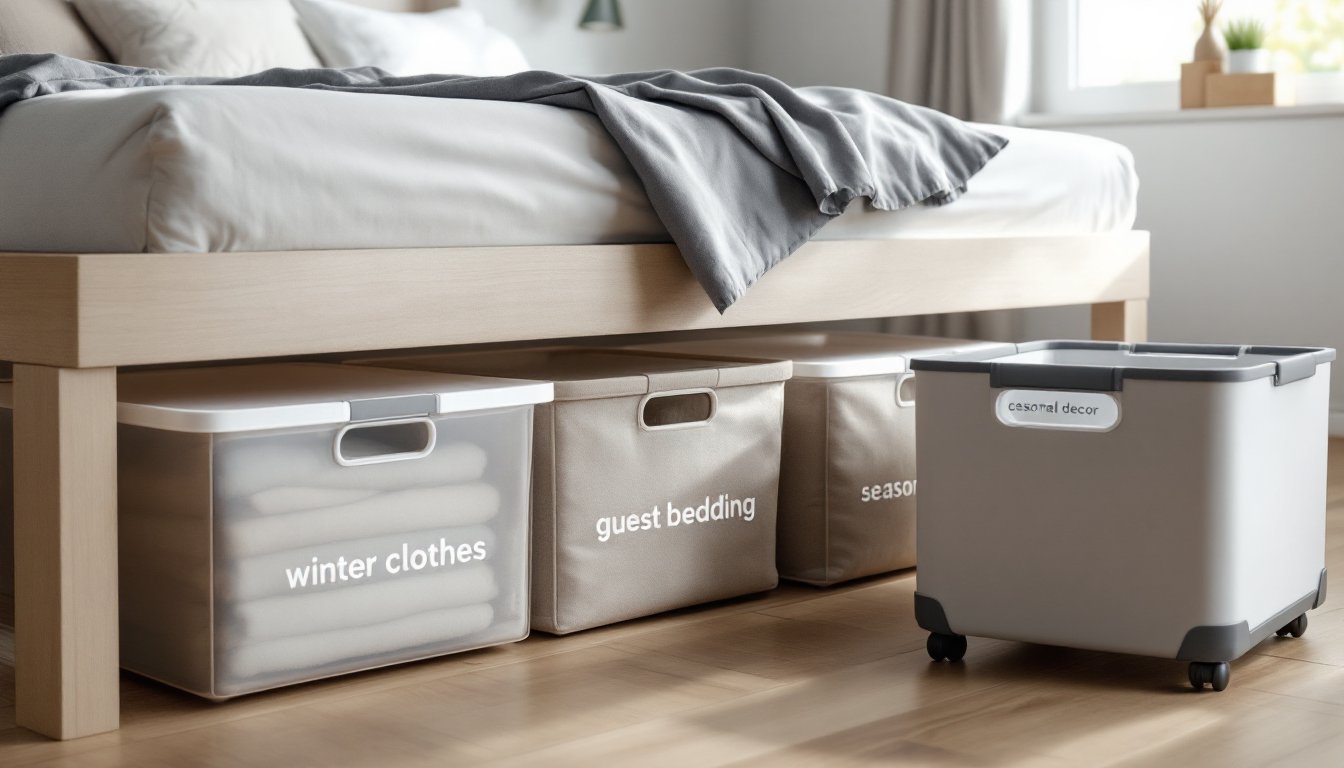
Plastic underbed storage bins are the workhorses of under-bed organization. They’re moisture-resistant, easy to wipe clean, and nearly indestructible. Hard-sided polypropylene or rigid plastic containers typically cost $15–$40 per unit and stack cleanly. They’re your pick if you’re storing anything damp-adjacent, off-season clothes that spent time in humid basements, tools, or items prone to dust.
Fabric storage bins under bed offer a softer aesthetic and often include collapsible walls. These cloth-lined containers feel less utilitarian and blend better with bedroom décor. They cost $20–$50 depending on brand and liner quality. The trade-off: fabric absorbs moisture more readily and requires better ventilation. If your bedroom stays consistently dry and you’re storing lightweight items, fabric works fine. Avoid fabric bins for anything that needs protection from humidity.
For the best under bed storage approach, pair material choice with what you’re keeping. Plastic for off-season coats and rarely-accessed guest bedding: fabric for throwaway throws and seasonal decorations.
Rolling Bins vs. Stationary Options
Rolling under bed storage containers come with casters on the bottom, letting you slide them in and out without lifting. This is genuinely useful if your storage items are heavy (winter boots, textbooks, tools) or if you access them regularly. A quality rolling bed storage box runs $40–$80 but saves your back. The downside: wheels need floor space to roll, and not all bed frames sit high enough for smooth deployment.
Stationary storage bins under bed don’t move once positioned. They’re cheaper ($10–$30), take up zero side clearance, and work under any bed height. You’ll lift to access, which is fine for items you retrieve once or twice a year. The real choice comes down to access frequency. Regular access? Go rolling. Seasonal or archival storage? Stationary bins are simpler and cheaper. Many homeowners use both, rolling bins for frequently accessed under bed clothes storage and stationary ones shoved toward the wall for textbooks or off-season holiday décor.
How to Measure and Choose the Right Size for Your Bed
Before you buy a single bin, measure twice. Most storage mistakes stem from grabbing bins that don’t fit. Start with your bed’s height from the floor to the bottom of the mattress (not the frame). Typical bed heights range from 8 inches (low platform frames) to 14 inches (traditional box spring setups). Measure at the head, middle, and foot, bed frames sometimes settle unevenly.
Next, measure the length and width of the void you’re working with. For a queen bed, that’s roughly 60 by 80 inches, but you’ll lose 2–3 inches on each side for frame walls and to avoid jamming bins against the frame. Realistically, you’re fitting one or two bins lengthwise depending on width. Take a tape measure, get on the floor, and measure the actual footprint. Don’t trust the bed dimensions from the manufacturer’s spec sheet, build quality, frame thickness, and rail design vary.
When shopping, prioritize height over length. A bin that’s 6 inches tall but doesn’t fit under your frame is worthless. A bin that’s 4 inches tall but slides smoothly under and holds 15 liters is a win. Most quality under bed storage containers max out at 5–6 inches in height: some squeak taller but sacrifice durability in the plastic or lid design. Standard storage bins under bed, like those from office supply stores, come in uniform sizes (16 by 32 inches, roughly) and typically work. For an under bed storage box with wheels, confirm wheel clearance, wheels add 1–2 inches to the floor contact.
One final check: pull the bin mock-up toward you once it’s in place. It should glide smoothly without binding on the frame. If it catches or sticks, try a different size or reposition the frame slightly (use bed risers on the underside of the frame if needed, not the legs). Under bed storage ideas work only when bins actually slide.
Smart Organization Tips for Maximum Storage Efficiency
Sliding a bin under the bed and forgetting about it defeats the purpose. Smart organization turns unused space into usable space. Start by sorting what goes into each bin by category, seasonal clothing in one, bedding in another, tools or hobby supplies in a third. This prevents the “where did I put that?” scramble at 11 p.m. when you need a winter coat in July.
Use clear or semi-transparent containers when possible. You can see contents at a glance without opening every bin. If you’re using opaque storage bins under bed, label each one clearly on the side and front. A label maker costs $15–$25 and is worth every penny. Write what’s inside and the date you stored it. Seasonal items especially benefit from dates, you’ll know at a glance whether those shorts are from last summer or three summers ago.
Don’t overstuff. Under bed storage containers should close smoothly and not burst open when you slide them out. Jammed bins invite you to avoid accessing them, which defeats the entire system. A bin that’s 75–80% full slides easier and lasts longer.
Consider under bed clothes storage orientation. Fold items and stack flat rather than rolling or bunching. This maximizes space and minimizes wrinkles. For off-season winter coats or summer dresses, lay a cedar block or lavender sachet inside to deter moths and odors. Under bed storage ideas often overlook ventilation, leave a gap of 1–2 inches between bins and the bed frame to allow air circulation and reduce moisture buildup. This is especially important in humid climates. For under bed storage bins in basements or climates prone to dampness, include a small silica gel packet or desiccant pack to wick away moisture. Change these every 3–6 months, depending on humidity levels in your area. A practical option used by apartment living experts involves labeling storage zones: “winter clothes,” “guest bedding,” “archived files,” so your household knows what lives where and doesn’t duplicate storage.
Rotate access patterns seasonally. Before winter arrives, slide out summer clothes bins and replace them with winter storage. This keeps your most-used items accessible and prevents the awkward dance of reaching under the bed every week. Many homeowners find that stylish storage solutions for small spaces combine organization discipline with the right container choice, form follows function here, not the reverse.
Conclusion
Under bed storage bins are the quiet MVP of small-space organizing. They’re inexpensive, require zero installation, and work in any bedroom regardless of layout or rental status. The key is measuring accurately, choosing the right material and style for your items, and keeping your system labeled and organized so bins actually get used instead of becoming black holes of forgotten stuff. Spend an afternoon measuring, shopping, and organizing, and you’ll unlock 20–30 cubic feet of functional storage that was sitting empty before. Your bedroom, and your sanity, will thank you.