Kansas City homeowners know the struggle: seasonal decorations, sports equipment, holiday items, and everyday clutter have a way of multiplying. Whether you’re in a cozy Midtown bungalow or a sprawling Johnson County ranch, storage solutions are essential for maintaining a functional, clutter-free home. The good news is that smart organizing doesn’t require expensive renovations or hiring professional organizers. With practical DIY approaches and strategic use of vertical space, basement zones, and garage layouts, you can reclaim square footage and create breathing room in your home. This guide covers storage solutions tailored to Kansas City living, accounting for our humidity, seasonal extremes, and the mix of older and newer homes across the metro.
Table of Contents
ToggleKey Takeaways
- Storage solutions in Kansas City must account for unique climate challenges like humidity, seasonal temperature swings, and moisture that can damage items stored in garages and basements.
- Maximize small spaces by using vertical storage—floating shelves, pegboards, wall-mounted organizers, and over-the-door systems—rather than consuming valuable floor space.
- Organize basements and garages with clear zones, labeled bins, and heavy-duty metal shelving; raise items 6–12 inches off concrete floors to prevent water damage during Kansas City’s rainy seasons.
- DIY storage projects like wall-mounted shelves, pegboard walls, and garage wall systems are affordable (often under $150) and require only basic tools and a weekend of effort.
- Proper storage increases resale value by signaling thoughtful home maintenance, protects seasonal items and tools from weather damage, and reduces daily mental clutter for Kansas City homeowners.
Why Storage Matters for Kansas City Homes
Kansas City’s diverse housing stock, from Victorian-era homes to modern subdivisions, means storage challenges vary wildly. Older homes often lack closets and built-ins: newer construction squeezed into smaller footprints to keep costs down. Either way, clutter doesn’t just look bad: it eats up mental energy and makes daily life harder.
Proper storage keeps items accessible and protected. Tools stay dry instead of rusting in a damp garage corner. Holiday decorations don’t get crushed under a pile of boxes. Kids’ seasonal clothes are organized, not scattered across three different closets. Beyond function, organized storage increases your home’s resale value. Buyers see well-organized garages and basements as a sign of thoughtful maintenance and care.
Kansas City’s weather adds another layer: spring storms, summer heat, winter ice, and humidity cycles all demand smart storage placement and protection. A shelf directly below a window in January might be fine, but by July, temperature swings can warp wood or damage electronics. This is why strategic storage, considering your home’s microclimate and seasonal patterns, makes the difference between a quick fix and a lasting solution.
Best Storage Solutions for Small Spaces
Small-space living is increasingly common in Kansas City’s urban neighborhoods. Every square inch counts, and clutter multiplies fast.
Start with the basics: evaluate what you actually own and what you genuinely use. If you haven’t worn it in a year or it’s broken and not worth fixing, move it out. Real organizing starts with honest decluttering. Then, look up. The space above your head, walls, corners, and ceilings, is where most people leave storage on the table.
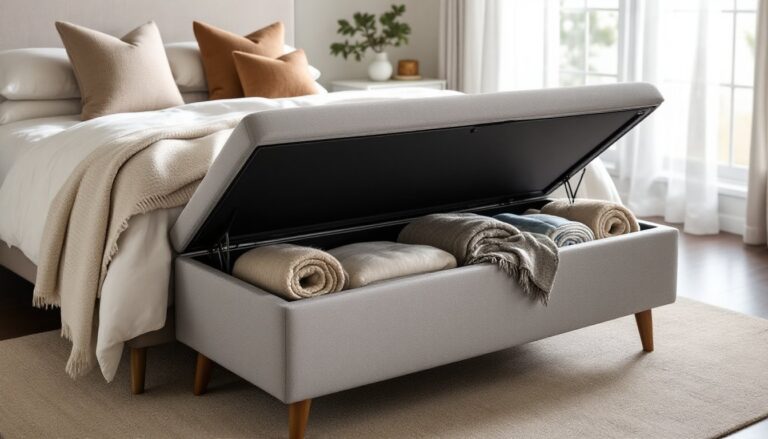
Underbed storage bins work in bedrooms and guest rooms. Clear plastic containers let you see what’s inside without opening them: measure your bed’s clearance height beforehand to avoid buying containers that won’t fit. Floating shelves above desks, nightstands, or living room chairs add storage without eating floor space. Wall-mounted pegboards in entryways hold keys, bags, and daily essentials. Hooks installed on the inside of closet doors store belts, scarves, and bags.
For renters or those wanting flexibility, over-the-door organizers hang on pantry, bedroom, or bathroom doors and hold everything from shoes to cleaning supplies. Tall, narrow shelving units (like a 5-shelf bookcase against a blank wall) use vertical footage without consuming much floor space. Cabinet organizers with sliding drawers or pull-out baskets maximize the unused depth inside cabinets.
Consider Stylish Storage Solutions for for detailed tactics on making tight quarters feel spacious and organized.
Basement and Garage Storage Ideas
Basements and garages are storage goldmines, if you treat them strategically. Most Kansas City homeowners dump stuff in these spaces and forget about it, turning them into chaotic catch-alls.
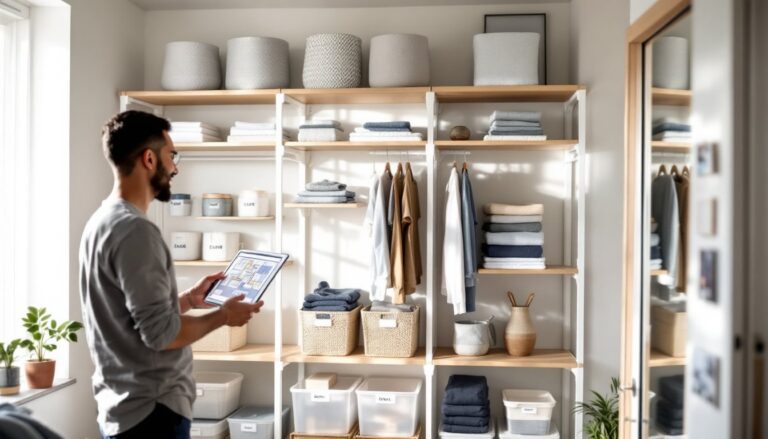
Start with zones. Assign a garage corner to tools, a basement shelf to seasonal items, and a wall-mounted system for sports gear. Label everything clearly. Use clear plastic bins so you can see contents without opening each one. Shelving units rated for heavy loads (check weight specs) handle power tools and paint cans better than light-duty units. Metal industrial shelving ($100–300 per unit, depending on size) resists moisture and lasts decades. Paint cans, for example, are heavyweights, a single shelf should handle the load, but stack several cans and you’re asking for trouble.
Hanging wall-mounted tool organizers keep frequently used items off the floor and out of the way. Pegboards for hand tools, magnetic strips for metal objects, and labeled hooks for cords and cables keep things findable. Overhead racks and ceiling-mounted systems free up floor and wall space. Install them before you clutter the space: it’s much harder to install overhead storage with boxes and bins in the way.
Garages in Kansas City should account for the weather: salt spray in winter, humidity in spring, and heat in summer. Metal shelves resist rust better than wood, but they’re colder in winter. Either way, avoid storing anything sensitive (electronics, upholstered furniture, or documents) directly on concrete floors or against exterior walls where condensation is worst. Raise items 6–12 inches above the floor using plastic risers or shelf legs to allow air circulation and protect against water intrusion during heavy rains.
Basements face similar challenges. A dehumidifier ($100–300) helps in spring and summer, especially in older homes with cinder-block or stone foundations. Test moisture levels with a moisture meter before stacking boxes of documents or textiles in a corner.
Explore Recreational Storage Solutions: Transform Clutter into Stylish Organization for handling sports equipment, seasonal gear, and hobby supplies.
DIY Storage Projects You Can Build This Weekend
You don’t need advanced carpentry skills to build functional storage. A few basic tools, some dimensional lumber, and an afternoon will yield results.
Wall-Mounted Shelving is the easiest starter project. Grab 1×10 or 1×12 pine boards (actual depth ~9.5″ or 11.5″), L-brackets rated for your load, and 3-inch lag bolts with washers. Find studs with a stud finder, mark them, drill pilot holes, and screw the brackets directly into studs. Lay the board on the brackets and secure with a few screws from underneath. A shelf should not flex noticeably under reasonable weight. Budget $30–50 for a single 4-foot shelf.
Garage Wall System using 2×4 studs as a vertical frame and 1×4 boards as shelves creates a sturdy, customizable storage wall. Lag bolt your frame to studs, then add shelves at whatever height you need. Depth can be 12, 16, or 24 inches depending on what you’re storing. This project takes 4–5 hours and costs $100–150 for materials. Rent a circular saw or miter saw if you don’t own one ($20–40/day).
Pegboard Wall is even simpler: Mount a pegboard sheet directly to studs with lag bolts, add hooks and hangers, and organize. A 2×4 ft pegboard costs $20–30: hooks are $0.50–2 each. This is a 1-hour project and works brilliantly for tool organization.
Closet Organizer Shelves fit inside existing closet frames without fastening to walls. Pre-made systems ($50–200) offer adjustable shelves and hanging bars, though they require careful measurement and assembly. Some systems use tension rods or friction mounts: others use lightweight bracket systems. Measure twice before cutting or ordering.
Before starting any project, verify that the surface you’re fastening to is solid. Tap walls and shelves with a screwdriver: hollow sounds mean you’ve hit drywall between studs (not ideal for heavy loads). Moisture damage is also a deal-breaker, if wood feels soft or spongy, or if you see dark staining, address the moisture problem first or your storage project will fail.
Most of these projects need basic tools: cordless drill, circular saw or miter saw, level, tape measure, and stud finder. Consider borrowing from friends or renting from a local hardware store if you don’t own them. Wear safety glasses when cutting lumber, and work gloves to avoid splinters. A dust mask is smart if you’re working in a basement or garage where dust and mold spores are present.
For more ambitious projects, Attic Storage Solutions: Transform covers building custom shelving and storage in attic spaces with their unique angles and constraints. You can also check out resources like IKEA Hackers for creative modifications to standard storage furniture, or Apartment Therapy for small-space storage hacks and budget-friendly inspiration.
Conclusion
Storage solutions don’t require a permit, a contractor, or a fortune. They require honest assessment of what you own, a plan for where it lives, and the willingness to use walls, ceilings, and corners you’re currently ignoring. Start small, a single shelf, a pegboard, or a set of stackable bins, then build from there. Kansas City’s climate and housing diversity mean your neighbors’ solutions might not work for you, so tailor your approach to your home’s specific weak points. With some thoughtful planning and a weekend of work, you’ll reclaim space and create an organized home that feels larger and functions better.