A crowded, disorganized pantry wastes money, time, and kitchen real estate. Canned goods wedged behind boxes, expired items hiding in the back, and no clear system for restocking, it’s a recipe for frustration. The good news? Smart kitchen pantry storage ideas don’t require a complete renovation or a professional organizer’s budget. With thoughtful shelving upgrades, clear containers, strategic labeling, and a few door-mounted solutions, any homeowner can transform a chaotic pantry into a functional, easy-to-navigate space. This guide walks you through seven practical solutions that work for pantries of all sizes, from galley cabinets to dedicated rooms.
Table of Contents
ToggleKey Takeaways
- Start with a thorough pantry assessment—measure your space, check expiration dates, and evaluate what you store most to avoid purchasing wrong-sized storage solutions.
- Install adjustable shelving systems or freestanding metal racks to maximize vertical space and customize kitchen pantry storage ideas to fit your specific inventory needs.
- Switch to clear, airtight containers with consistent labels showing contents and expiration dates to keep food fresher, prevent waste, and make restocking easier.
- Organize items by category and frequency of use, keeping daily essentials at arm’s reach and using the ‘first in, first out’ principle for items with expiration dates.
- Maximize often-overlooked spaces with over-the-door organizers, pull-out drawers, and under-shelf risers to add storage capacity without permanent renovations.
- Maintain your organized pantry with bi-weekly spot checks and seasonal refreshes to prevent decay, catch expired items, and keep your system working long-term.
Assess Your Current Pantry Layout and Storage Needs
Before buying shelves or containers, spend an hour taking inventory. Pull everything out, check expiration dates, and donate or dispose of unused items. This isn’t just good hygiene, it reveals how much space you actually need and how items get used.
Measure your pantry‘s interior width, depth, and height. Note where electrical outlets, water pipes, or irregular walls might limit shelf placement. Look at what you store most: tall cereal boxes, bulk pasta, small spice jars, heavy cans, or fresh produce? Your storage solution should match your inventory, not the other way around.
Consider traffic patterns, too. Breakfast items should be easy to grab in the morning: baking supplies might live higher up if you only reach for them weekly. Seasonal items (holiday baking, summer grilling supplies) can go to less accessible spots. This assessment takes 30 minutes and saves you from expensive, wrong-sized shelving later.
Install Adjustable Shelving and Vertical Storage Solutions
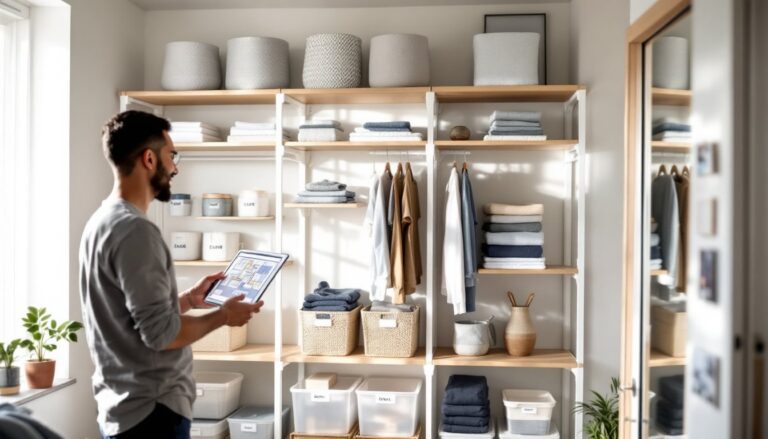
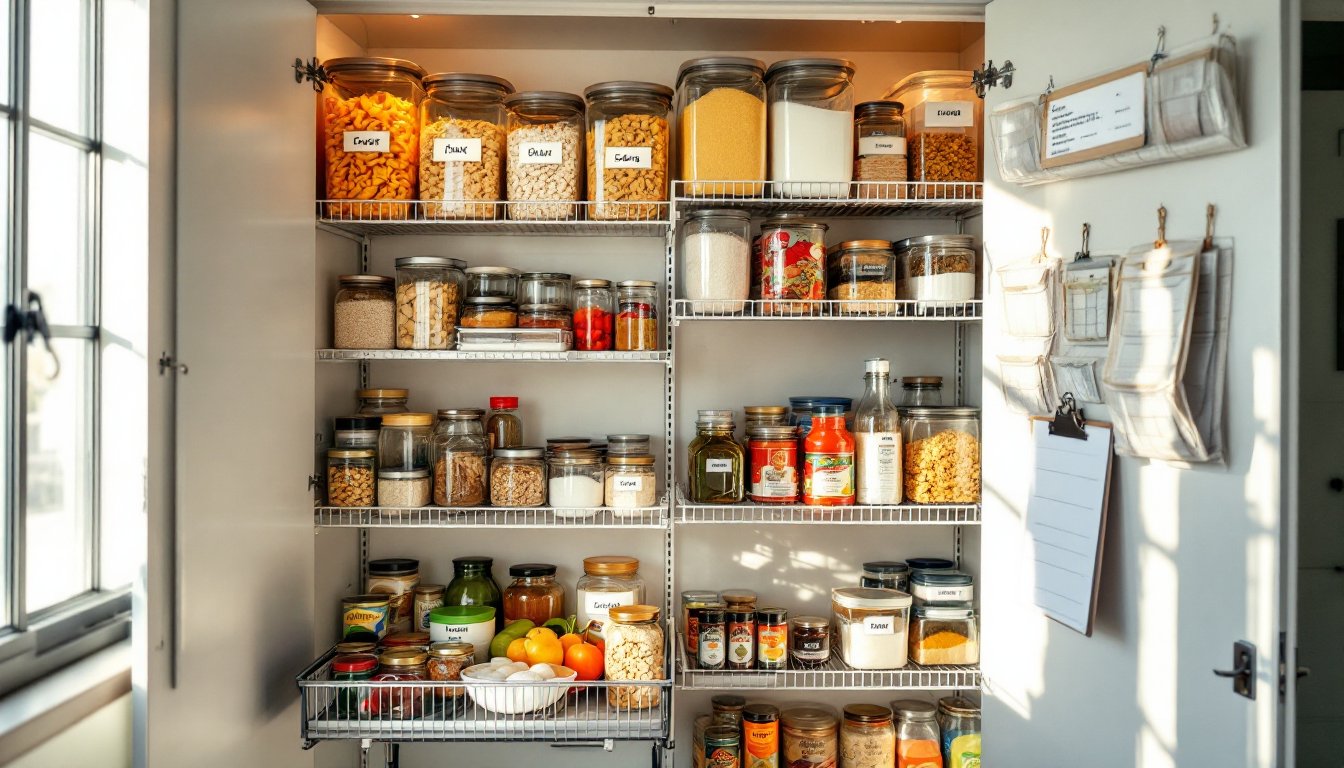
Most pantries come with fixed shelves that don’t match how you actually store things. Adjustable shelving systems, whether wall-mounted tracks with clips or freestanding wire shelves, give you control over vertical space. The key is using the full height of your pantry, not leaving dead space above items.
Wall-mounted track systems (also called French cleats or slotted rail systems) can hold serious weight if anchored into wall studs or using appropriate drywall anchors. For a typical pantry, locate studs with a stud finder, mark them, and mount tracks every 16 inches. Shelves themselves should be ¾-inch plywood or solid shelving at least 12 to 16 inches deep to accommodate standard grocery items without overhang.
For renters or those avoiding wall damage, freestanding metal shelving units work well. They’re less elegant but practical, and you take them with you. The trade-off is stability, anchor taller units to prevent tipping, especially with heavy items on upper shelves. Pull-down shelf organizers (tension rods, cascading shelf risers) also add capacity without permanent installation.
Invest in Clear Containers and Labeling Systems
This is where organization becomes visual and sustainable. Loose pasta, flour, sugar, and cereals take up irregular space and spoil faster in opened boxes. Clear plastic or glass containers with airtight lids keep food fresher longer, stack efficiently, and let you see when supplies are running low, no more surprise empty containers at dinner time.
Choose containers by category: tall, narrow ones for pasta and grains: shorter, wider ones for flour and sugar: small square containers for spice blends and baking add-ons. Standard sizes (like 2-liter or 3.5-liter capacity) stack better than mismatched shapes. Avoid ultra-thin plastics that crack: invest in food-grade polypropylene or borosilicate glass for durability.
Labeling prevents the “Is this cornmeal or flour?” guessing game. Use a label maker or printable labels with the contents and expiration date (especially for bulk items with long shelf lives). Place labels on the front or top, visible at eye level or from above. Consistency matters: if everything is labeled the same way, your brain scans faster, and anyone in your household can find what they need without asking.
Organize Your Pantry by Category and Frequency of Use
Group similar items together: all grains in one zone, canned vegetables and soups in another, baking supplies in a third, snacks and breakfast items at eye level. This logic reduces hunting time and makes meal planning easier, you know exactly where everything is.
Use the “first in, first out” (FIFO) principle for items with expiration dates. Place newer purchases behind older ones so older stock gets used first. Reserve a small basket or bin for soon-to-expire items that need attention. This prevents waste and keeps your pantry honest.
Frequency matters too. Daily-use items (coffee, snacks, cooking oils) belong at arm’s reach, usually between waist and eye level. Weekly items (baking ingredients, canned goods for recipes) can live one shelf higher or lower. Seasonal or rarely used items go to the top shelf or back corners. Heavy items always go lower to prevent strain and safety hazards. Lighter, less-used items can float higher. This ergonomic approach saves your back and keeps the pantry efficient.
Add Door-Mounted and Pull-Out Storage Options
Pantry doors are often overlooked real estate. Over-the-door hanging organizers with clear pockets work for spice packets, dried herbs, seasoning blends, and snack-sized items. They keep lightweight, frequently accessed items visible and off the main shelves.
Pull-out drawers or sliding baskets are game-changers for deep shelves. Standard wire baskets on heavy-duty ball-bearing glides slide out smoothly, letting you reach items at the back without moving everything in front. Install one or two per shelf depending on shelf width. They cost $15–$40 per unit but pay dividends in access and usability.
For under-shelf storage, tiered organizers or stackable shelf risers create two storage levels in one shelf space. A riser might be 6 inches tall, so a 12-inch gap becomes usable for smaller items below and larger ones above. These are especially useful in pantries where shelf spacing feels wasteful. Avoid overstuffing: you need space to grab items safely without knocking things over.
Maintain Your Pantry and Make It Sustainable
Organization isn’t a one-time fix: it decays. Spend 15 minutes every two weeks doing a quick patrol: check expiration dates, consolidate half-empty containers (if safe for the item), wipe down shelves, and straighten items that have migrated.
Create a simple inventory list (digital or paper) on a clipboard hanging inside the pantry door. When you use the last of something, jot it down. Before grocery shopping, check your list to avoid duplicates and catch truly empty supplies. This small habit prevents the “I bought it twice” trap and keeps your pantry aligned with your budget.
Seasonal refreshes (spring and fall) catch expired items, reassess your layout if your eating habits shift, and replace worn containers or labels. Don’t be afraid to reconfigure shelves or swap categories if something isn’t working. A pantry should evolve with your lifestyle, not fight against it. Proper maintenance also extends the life of expensive shelving systems and storage containers, making the initial investment worthwhile over time.
Conclusion
A well-organized pantry saves money, reduces food waste, and makes cooking less stressful. Start with a clear assessment of your space and needs, invest in adjustable shelving and quality containers, and create a system that matches how you actually cook and shop. Small touches like clear labeling and door-mounted storage amplify functionality without breaking the budget. The pantries that last are the ones maintained regularly, not overstuffed after the initial organization surge. Treat your pantry like the hardworking space it is, maintain it, update it, and enjoy the daily benefit of knowing exactly what you have and where it is.