Whether you’re stuffing tools into a crowded garage or trying to squeeze workshop supplies into a bedroom closet, poor storage kills both productivity and safety. HPC storage solutions, high-performance, modular systems designed for durability and accessibility, have become the go-to choice for homeowners and DIY enthusiasts who are tired of digging through piles to find a drill bit. Unlike flimsy shelving that buckles under weight or generic plastic bins that crack after one season, HPC systems are built to handle real shop conditions. In 2026, the best storage isn’t just about fitting more stuff in less space: it’s about creating an organized workspace that lets you focus on the work itself, not the hunt.
Table of Contents
ToggleKey Takeaways
- HPC storage solutions are engineered, heavy-duty systems that save time, protect tool investments, and reduce workspace safety risks compared to standard shelving.
- Prioritize durability by choosing high-grade 16-14 gauge steel with bolted or welded joints, drawer slides rated for actual load capacity, and rust-resistant hardware for your HPC storage setup.
- Organize items by function with clearly labeled, adjustable shelving and drawer compartments at ergonomic heights—frequently used tools should be at eye level to minimize frustration and injury.
- Match drawer depths to common tool sizes (12, 18, or 24 inches) and use transparent containers for small items so you can locate supplies without opening every bin.
- Start with a modular core system rather than over-buying, and scale up gradually as your DIY projects grow and storage needs evolve.
- Good storage keeps your workspace efficient and safe—invest in durable, accessible systems and you’ll spend minutes finding tools instead of hours digging through piles.
What Are HPC Storage Solutions and Why They Matter for DIYers
HPC storage solutions are engineered systems that combine heavy-duty materials, smart organization, and accessibility in ways standard shelving just can’t match. Think of them as the industrial-grade cousin to the plastic organizers you see at big-box stores, they’re designed to hold real loads without flexing, sagging, or spilling your inventory every time you bump the shelf.
For DIYers, HPC storage solves three critical problems. First, it saves time: a well-organized workshop with clearly labeled drawers and accessible shelving means you spend minutes finding your materials instead of an hour tearing apart the garage. Second, it protects your investment. Quality storage keeps tools dry, prevents rust, and reduces accidental damage from tumbling piles. Third, it makes your workspace safer. When tools are stored properly, heavy items on lower shelves, nothing blocking walkways, electrical cords coiled and out of foot traffic, you reduce the risk of injuries and project delays.
The shift toward HPC storage reflects a bigger trend: homeowners are treating their DIY spaces like professional shops. You’re not just storing paint cans and nails anymore, you’re organizing a functional workspace that needs to support everything from small repairs to serious renovation projects.
Key Features to Look For in HPC Storage Systems
Not all storage systems are created equal. When you’re shopping for HPC solutions, focus on three pillars: durability, accessibility, and scalability.
Durability and Material Quality
The best HPC systems use high-grade steel shelving, typically 16 to 14-gauge steel for uprights and reinforced cross-members, rather than thin particleboard or hollow tubing that bends under load. Steel can handle repeated abuse and won’t warp if your garage temperature swings 40 degrees between winter and summer. Look for systems with bolted or welded joints (welded is stronger) and powder-coated finishes that resist rust and chipping.
Drawers should glide smoothly on ball-bearing slides rated for the weight you plan to store: cheap slides jam and collapse after a few years. If the system sits in a damp garage or workshop, verify that screws, brackets, and hardware are galvanized or stainless steel, not bare steel, which will rust. A solid weight capacity per shelf, typically 500 to 1,000 pounds depending on design, tells you what the manufacturer tested it for: don’t exceed that limit just because you think your stuff weighs less.
Space Efficiency and Accessibility
A storage system that forces you to move three bins to reach the one you need isn’t efficient, it’s an obstacle. The best designs use drawer depths that match common tool and supply sizes (12, 18, or 24 inches) so nothing gets lost in the back corners. Adjustable shelving is non-negotiable: your needs will change, and a rigid system becomes useless when you need to reorganize.
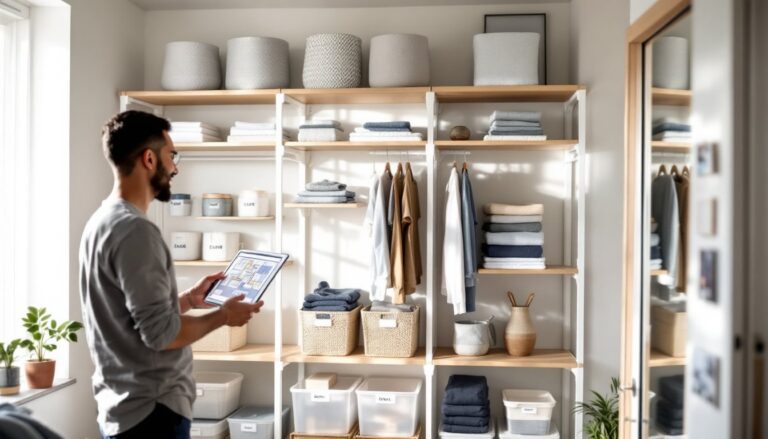
Label your storage clearly, use a label maker and waterproof labels, not a Sharpie marker that fades in six months. Group items by function (fasteners, finishes, safety gear) so you’re not hunting across three shelves for a simple bolt. Consider systems with drawer dividers or compartments for small items: loose nails and screws scatter fast in a big drawer. Height matters too: top shelves should be reachable without a ladder, and frequently grabbed items should be at eye level or just below, ergonomics reduce frustration and injury risk.
Practical Applications for Home and Garage Organization
HPC storage systems aren’t one-size-fits-all. Different spaces and projects demand different setups.
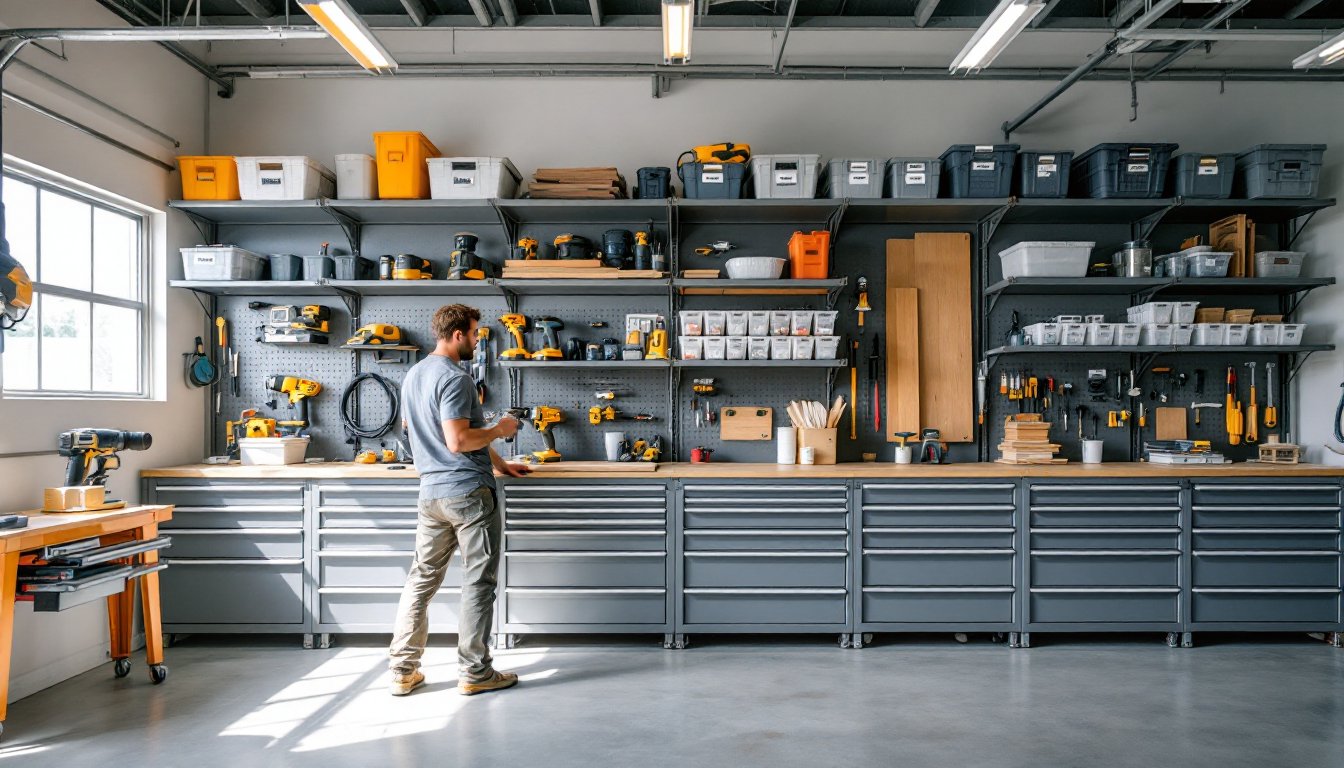
Garage Tool Storage: The classic use case. A combination of wall-mounted pegboards, deep drawers for large power tools, and tall shelving for wood, drywall, or sheet materials works best. Mount tool holders and bins at arm height: heavy items like circular saws or impact drivers belong in drawers with padded compartments. Keep your most-used tools, tape measures, levels, utility knives, in a portable cart or caddy so you grab everything at once and roll to the job site.
Craft and Supply Organization: Hobby spaces, sewing areas, and art studios need lots of small-item storage. Shallow drawers with compartments, clear plastic containers (so you see contents without opening), and vertical shelving that doesn’t take floor space work best here. Wall-mounted pegboards are ideal for frequently changing displays and quick access.
Hardware and Fastener Storage: Bolts, screws, nails, and washers multiply fast. Dedicated drawer systems with divided compartments or clear plastic organizers let you see quantities at a glance. Label by size and type: a drawer labeled “1/4-20 bolts, 2 inches” saves endless searching. Keep a small magnet handy for retrieving fasteners that roll away.
Seasonal and Long-Term Storage: Holiday decorations, seasonal tools, and rarely-used items go on higher shelves or deeper storage, out of your daily reach. Use clearly labeled plastic storage bins on sturdy shelving: avoid stacking too high (top bin should be within arm’s reach, not requiring a ladder every time). Keep an inventory list, especially for seasonal items, so you know what you’ve got without opening every bin.
For those managing both digital tools and physical hardware, external storage solutions designed for backup and file management can complement your physical space, storing project plans and documentation securely alongside your on-site tools.
How to Choose the Right HPC Solution for Your Space
Start with an honest assessment of what you’re storing, not what you think you’ll buy next. Measure your garage, workshop, or closet space, including ceiling height, door swing, and wall obstructions. Walk around your workspace and note which items you grab most often: those should be at hand height. Check your typical inventory: are you storing 50 pounds of hand tools and supplies, or 500 pounds of lumber and power equipment? That weight determines whether you need light-duty shelving or industrial-grade systems.
Consider your environment. A climate-controlled studio doesn’t need rust-resistant finishes the way a damp garage does. Humidity and temperature swings affect wood and some metals: steel systems are more stable than particle-board or MDF under seasonal changes.
Budget matters, but don’t cheap out on load-bearing components. A $150 shelf system rated for 250 pounds per shelf will fail faster than a $400 system rated for 1,000 pounds if you’re actually storing 600 pounds. Read reviews from users with similar needs: “five stars” for decorative storage is different from “five stars” for workshop storage under load.
Scale matters too. Start with a core system, two or three shelving units that cover your immediate needs, rather than a huge setup you’ll never use. You can add modular sections later as your projects grow. Many HPC systems are designed to link and expand, so buying one unit at a time is practical. Organizations like the ASI Storage Solutions: Transform focus on helping homeowners build systems that adapt over time.
Conclusion
Good storage is invisible, you don’t notice it until you need something and it’s right where you left it. HPC storage solutions cut the hunting time, protect your tools and materials, and make your workspace safer and more efficient. Whether you’re organizing a garage, a craft room, or a compact closet, investing in durable, accessible systems pays dividends every time you pick up a tool. Start small, label everything, and adjust as your needs evolve. A well-organized space isn’t a luxury: it’s the foundation of successful DIY work.