B2U storage solutions, which stand for “back-to-utility” organization systems, are practical, modular approaches to reclaiming space in your home. Unlike aspirational design trends that look nice in photos but fall apart after three months, B2U solutions prioritize function, durability, and real-world usability. Whether you’re drowning in closet overflow, battling kitchen chaos, or staring at a garage that’s become a catch-all for everything you own, B2U systems offer a straightforward path to lasting organization. The 2026 refresh of these solutions emphasizes accessibility, scalability, and the fact that good storage doesn’t have to look complicated or cost a fortune. If you’ve tried organizing before and watched it unravel, B2U strategies focus on systems that actually stick because they work with how you live, not against it.
Table of Contents
ToggleKey Takeaways
- B2U storage solutions prioritize function and durability over aspirational design, creating practical organization systems that actually work with how you live rather than against it.
- Double rod closet systems and vertical shelving can roughly double capacity without renovation, while clear labeling and seasonal rotation keep clothing organized and easy to find.
- Kitchen and pantry B2U strategies rely on clear, labeled bins and strategic shelf organization so you can see what you own and avoid duplicate purchases.
- Garage organization begins with removing non-essential items, then zoning the space by function and using wall-mounted pegboards or industrial shelving to maximize vertical space for tools and seasonal gear.
- B2U storage solutions cost $200–400 per room using budget-friendly components like adjustable wire shelving, clear plastic bins, and tension rods rather than expensive custom built-ins.
- The real value of B2U storage systems compounds over time, reducing daily stress and saving hours spent searching for items in disorganized spaces.
What Are B2U Storage Solutions and Why They Matter
B2U storage solutions represent a shift away from aspirational organization toward systems that serve a genuine purpose. The term reflects the philosophy of returning spaces to their intended utility, closets to clothing, kitchens to food prep, garages to actual vehicles. Unlike trendy container systems that demand constant curation or built-ins that cost thousands, B2U relies on accessible, modular components that you can adjust as your needs change.
The “back-to-utility” model matters because clutter doesn’t happen overnight, and neither does organization. B2U solutions acknowledge that life is messy, seasonal, and unpredictable. You need storage that accommodates your actual belongings, not a Pinterest-perfect snapshot. These systems work because they’re designed to be maintained, not just installed. A well-planned B2U approach means less time hunting for things, fewer duplicate purchases because you couldn’t find what you already owned, and spaces that actually function for their intended purpose.
Why does this matter in 2026? Storage costs real money in terms of rent or mortgage. Reclaiming functional space in a bedroom, kitchen, or garage adds tangible value. Beyond economics, organized spaces reduce stress and save time daily. The smart money is on systems that work for years, not systems that photograph well for a weekend and collapse by Wednesday.
Maximizing Closet and Wardrobe Space with B2U Systems
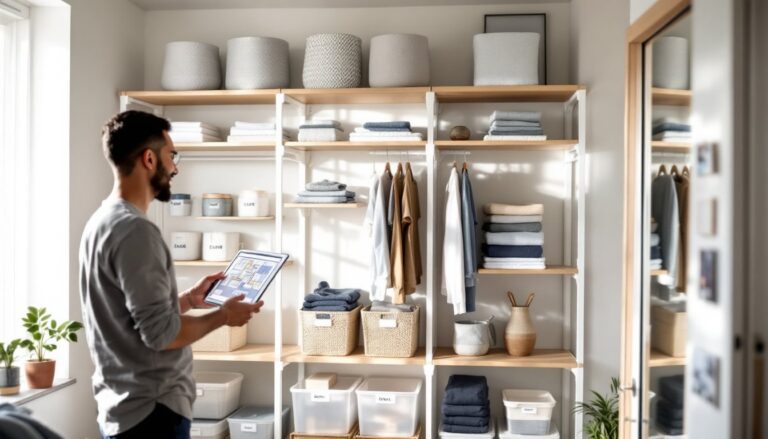
Closet organization fails because most people start by buying bins without measuring or understanding what they’re actually storing. B2U closet strategy begins with honest inventory: how many clothes do you genuinely wear, and what does your daily life actually require?
Start with vertical space. Standard closet rods typically hold about 20–25 items comfortably: a double rod system installed 3.5 feet and 6 feet high roughly doubles capacity without renovation. Confirm your closet width and studs before drilling, drywall anchors alone won’t hold a loaded rod. Use sturdy wooden dowels or adjustable metal bars rated for at least 50 pounds each.
Next, add shelving above the upper rod. Floating shelves or a simple bracket system (available at any hardware store) holds folded items, seasonal gear, or less-used pieces. Leave a few inches of clearance to prevent dust accumulation. Below the lower rod, add a low shelf or rolling cart for shoes, bags, or off-season items.
For the rod itself, slim velvet hangers reduce bulk compared to plastic or wood, and they prevent clothes from sliding. Group items by category and color, this simple step cuts decision time and prevents the “I can’t find anything” problem even when your closet is full.
Seasonal rotation is core to B2U closet function. Vacuum-seal bags work for off-season coats and blankets, but regular fabric bags with labels are faster for rotation. Label everything clearly: you’ll thank yourself in six months. Consider vacuum storage for bulky winter coats, a queen-size coat bag holds 3–4 jackets and takes up half the space of hanging them.
Don’t overlook the back of the closet door. A simple over-the-door shoe organizer or hook rail holds belts, scarves, or small bags without competing for rod space.
Kitchen and Pantry Organization Using B2U Storage
Kitchen storage often fails because people treat it as decorative rather than functional. B2U kitchen strategy means every item has a purpose and a place.
Begin in the pantry. Most families waste money buying duplicates because they can’t see what they already have. Clear your pantry completely, wipe shelves, and take inventory. Use clear plastic bins or tiered shelf risers, not opaque containers, so you see what’s inside without opening everything. Label bins with contents and expiration dates. Measure shelf depth and width before buying bins: a standard pantry shelf is 14–16 inches deep, and 2–3 bins per shelf is typical without overcrowding.
Group by category: grains, canned goods, baking supplies, snacks. Within each group, organize by frequency of use, everyday items at eye level, occasional ingredients higher or lower. A lazy Susan or turntable on deep shelves prevents items from disappearing in the back.
Under the sink, use a sliding shelf organizer or U-shaped tension rod to corral cleaning supplies and prevent spills. Install a small tension rod to hang frequently used bags or towels. Measure under-sink cabinet depth and width, standard cabinets are 21 inches deep and vary in width, so confirm before buying organizers.
Drawer organization matters as much as shelves. Drawer dividers keep utensils, tools, and gadgets from becoming one tangled mess. Use compartments for small items like measuring spoons or twist ties. A flatware-style divider works for any drawer, not just silverware.
Consider a rolling kitchen cart or island if you lack pantry space. A 2-3 tier cart (standard is 24×18 inches) fits between appliances and holds frequently used items at arm’s reach. This approach works within real kitchen constraints instead of demanding a full renovation.
Garage and Basement Organization Made Simple
Garages become dumping grounds because nobody enforces a system. B2U garage strategy means deciding what actually belongs there, then building organization around those items.
First, make a hard call: does every item in your garage serve an active purpose? Seasonal tools, sports equipment, holiday decorations, and vehicle-related items stay. Furniture you’re “keeping for the guest room,” broken electronics, or “might fix this someday” items don’t. If you’re uncertain, photograph it and move it out: you can always retrieve it. This single step frees 30–50% of garage space in most homes.
Next, zone your garage by function: vehicle parking, tools and hardware, seasonal/holiday, and sports and recreation. Dedicate wall space to each zone.
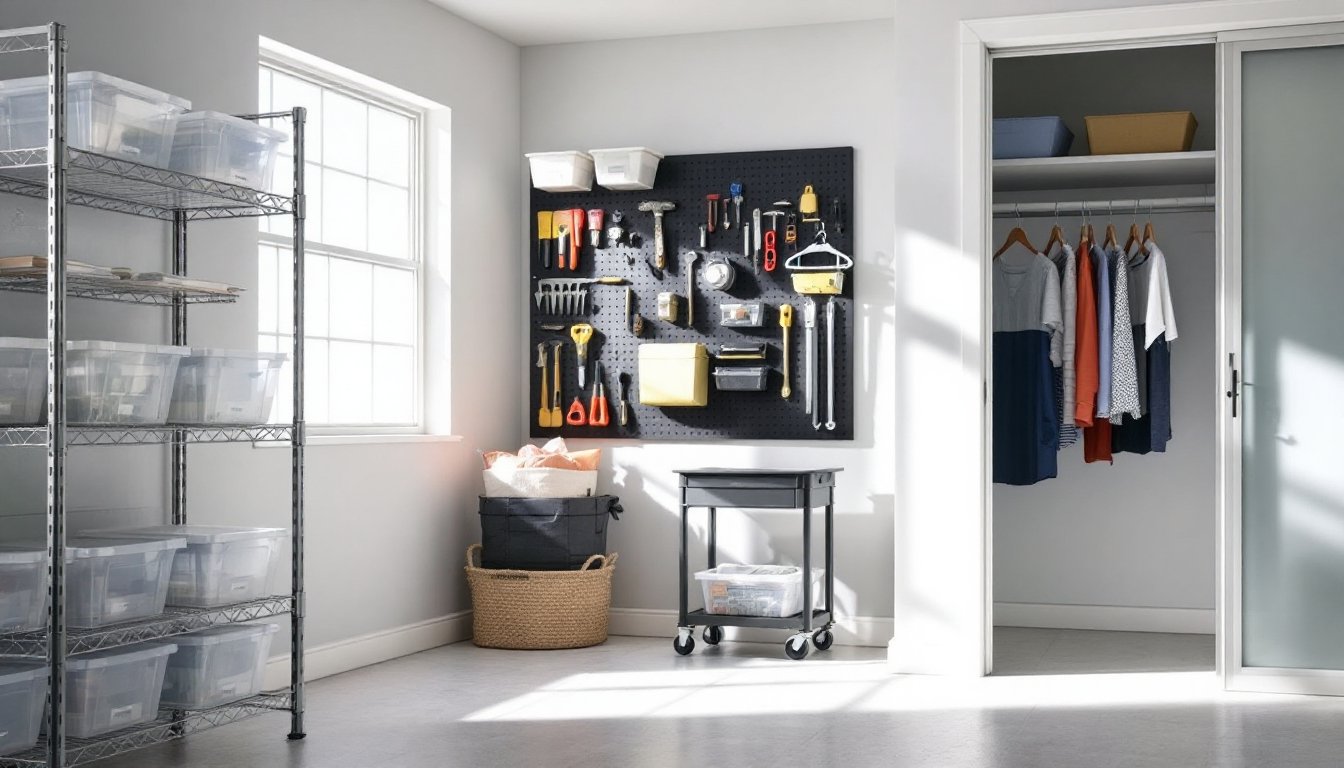
Wall-mounted pegboards and slat wall systems keep tools visible and accessible without floor clutter. Pegboards (typically 24×48 inches) cost under $50 and mount to studs with 2-inch screws. Arrange tool hooks logically, most-used items at shoulder height, less frequent tools higher or lower. Outline tools with a marker or chalk so you immediately see what’s missing or out of place.
For seasonal items, use clear plastic bins labeled on multiple sides (top and front so you see labels from any angle). Stack on metal shelving units, industrial-grade shelves hold 500+ pounds per shelf and cost $150–300 for a full unit. Measure your garage width and ceiling height: most standard units are 36, 48, or 72 inches wide and 60–72 inches tall. Leave 12 inches of clearance between shelf rows for easy access.
Hang bikes, ladders, and large tools on heavy-duty wall hooks or a ceiling-mounted pulley system. A pulley hoist (about $100) lifts seasonal gear or bulky items to the ceiling, freeing floor space for parking or movement. Mount pulleys to floor joists using lag bolts, not drywall, ceiling load is significant.
Basement organization follows the same logic: zone by purpose (storage, workshop, recreation), use vertical space with shelving, and contain seasonal items in labeled bins. Basements benefit from a dehumidifier or vapor barrier to prevent moisture damage to stored goods, wood swells and cardboard breaks down in damp conditions.
Budget-Friendly B2U Storage Ideas for DIY Installation
Quality storage doesn’t require a five-figure renovation. B2U solutions emphasize strategic spending on components that matter, skipping unnecessary frills.
Adjustable wire shelving (about $15–25 per shelf) beats built-ins in flexibility and cost. Wire shelves allow air circulation, preventing moisture and dust accumulation better than solid surfaces. Install using L-brackets rated for your load, 50-pound brackets run $5–10 each: use three per shelf for stability. Install into studs using lag bolts (3/8-inch diameter), not drywall anchors alone. Find studs with a stud finder ($20–40) or the knock test, studs are 16 inches on center.
Clear plastic storage bins (a 4-pack runs $15–30 depending on size) beat opaque or fabric versions because visibility matters. Label bins with a permanent marker or label maker ($20–40 upfront, saves time and confusion). Choose bins that stack efficiently and fit your intended space before buying.
Tension rods under sinks or in cabinets ($5–10 each) hang bags, towels, or folded items without hardware. Install by twisting into place, no drilling required.
Pegboard organization is the cheapest wall solution. A 24×48 inch pegboard ($20–30), hooks ($1–3 each), and mounting hardware ($10–15) create a full wall for under $100. Paint the pegboard first if desired. Use 2-inch wood screws into studs, spaced 16 inches apart vertically.
Rolling carts (under $50 for a basic 2-3 tier unit) provide flexible storage without installation. Move them as needs change, ideal for rentals or temporary solutions.
Consider a budget of $200–400 to genuinely transform a closet, pantry, or garage corner. This covers shelving, bins, and basic hardware. If you’re considering professional installation or custom built-ins, they cost $2,000–8,000+ depending on scope. Many homeowners find storage solutions archives helpful for learning what works before investing.
Skip expensive designer bins and focus on function. Clear, labeled, stackable containers work anywhere. Spend money on sturdy shelving and proper fasteners, not on cosmetic details. Smart B2U strategy allocates budget toward components that carry weight and see daily use, not toward appearance.
Conclusion
B2U storage solutions succeed because they treat organization as a system, not a one-time project. Start with one room or zone, measure accurately, install securely, and label everything clearly. Choose function over appearance, use vertical space, and maintain seasonally. The goal isn’t a showroom, it’s a home that works for you, where everything serves a purpose and lives where you actually look for it. Good storage compounds over time: six months in, you’ll notice the time saved, the reduced frustration, and the genuine utility your space has gained.