Clutter has a way of creeping into every corner of a home. What started as a clever organizing idea three years ago ends up buried under seasonal decorations and forgotten gadgets. Automated storage solutions address this reality head-on by combining mechanical convenience with smart design. These systems, from motorized shelving that glides out at the push of a button to garage racks that maximize vertical space, eliminate the awkward reach-and-shuffle that traditional storage demands. Whether you’re managing a packed kitchen, an overflowing garage, or a bedroom closet, automation takes the friction out of storage access. This guide walks through what’s available, how to pick the right system for your home, and what installation looks like from a DIY perspective.
Table of Contents
ToggleKey Takeaways
- Automated storage solutions use motors and mechanical systems to bring items to you, eliminating the awkward reach-and-shuffle of traditional storage while keeping belongings organized and accessible.
- Motorized shelving, rotating units, and garage hoists range from $300 to $3,000+, with installation costs of $500–$1,500, making them ideal for homes with limited square footage and seasonal rotation needs.
- Precise measurements, level mounting surfaces, and proper load capacity verification are critical to DIY success—most motorized systems require installation on level surfaces within 1/8 inch tolerance to prevent binding.
- Hard-wired ceiling hoists and dedicated electrical circuits must be installed by licensed electricians to comply with local codes and avoid voiding warranties or insurance coverage.
- Start with smaller automation projects to learn from your first installation, then expand—this approach reduces frustration and helps you understand your system’s quirks before tackling larger builds.
- Prioritize motorized systems for items accessed weekly or rotated seasonally, since daily-use items don’t benefit from automation and proper selection maximizes your return on investment.
What Are Automated Storage Systems and Why They Matter
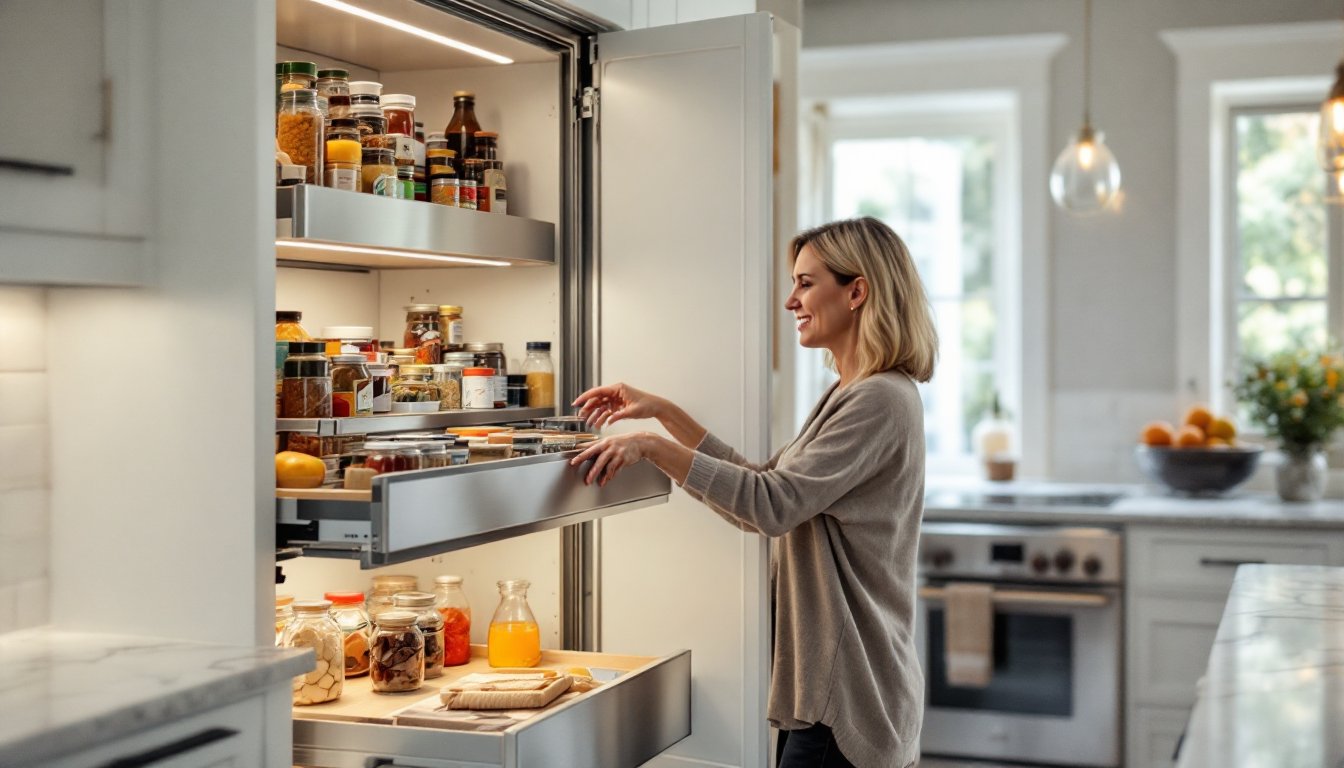
Automated storage solutions use motors, rails, or mechanical linkages to move, rotate, or extend storage containers and shelving. Unlike your grandmother’s static bookcase, these systems bring items to you rather than making you dig, stretch, or climb. A motorized pull-out pantry shelf glides forward smoothly: a rotating storage unit spins to reveal items stored on its back face: a garage ceiling hoist lowers bulky seasonal bins to arm’s reach.
They matter because life in 2026 moves faster, homes cost more, and square footage remains precious. Traditional storage forces a choice: leave things scattered and accessible or pack them away and lose them. Automated systems collapse that gap, your belongings stay organized yet immediately within reach. Families with kids, hobbyists with seasonal gear, and anyone managing limited floor space see real quality-of-life gains. You spend less time hunting for items, less energy wrestling with awkward positions, and less frustration accepting clutter as unavoidable.
These systems also reduce damage to stored goods. Motorized lifts lower heavy boxes gently instead of relying on your back and balance. Organized, easy-access storage encourages regular use and maintenance rather than “out of sight, out of mind” abandonment. Beyond function, a well-designed automated storage setup signals intentionality, you’re taking control of your space rather than letting chaos take control of you.
Types of Automated Storage Solutions for Homeowners
Motorized Shelving and Rotating Storage Units
Motorized shelving systems glide items forward and backward on electric-powered rails. Think of a deep pantry shelf that pulls out fully so you can see, and grab, what’s at the back without removing everything in front. Most residential units run on 110V standard outlet power: some are battery-operated and quieter for bedrooms and living spaces. Pull-force ratings typically range from 50 to 150 pounds, so check the weight of what you’ll store before buying.
Rotating storage units, sometimes called lazy-Susan–style carousels on steroids, spin via a motor to present items arranged on multiple faces. Kitchen corner cabinets become functional instead of dead zones. Closet corners reveal hanging rods and shelves you never had room for. These rotate on ball bearings and carry loads of 100–300 pounds depending on the model.
When selecting motorized shelving, measure your space precisely, nominal vs. actual dimensions matter. A shelf rated for a 30-inch opening won’t fit an actual 30-inch rough opening: account for the motor housing, trim, and clearance. Test the noise level if the unit will sit in a bedroom or open-concept kitchen. Most modern systems run at 60–70 decibels, roughly the sound of a refrigerator.
Smart Garage Organization Systems
Garages are prime territory for automated storage because the stakes are high (heavy items, limited headroom, seasonal rotation) and the budget often accommodates motorized solutions. Electric overhead hoists lower bulky storage bins or sports equipment to grab height: a wall-mounted remote or phone app triggers the lift. Load capacities range from 50 pounds (light seasonal decor) to 300+ pounds (heavy tool chests). Ceiling joists must be solid, typically requiring a minimum of 16-inch on-center framing, and your hoist’s mounting hardware bolts directly to them.
Motorized pull-out workbench drawers and sliding pegboard systems keep hand tools and small parts instantly accessible. Some homeowners retrofit traditional garage cabinets with motorized slides underneath, transforming stationary base cabinets into pull-out drawers. Expect to spend more on the automation component, but you recoup that investment in time saved and items you actually use (rather than those buried three cabinets deep).
Garage automation often pairs well with other solutions. A motorized ceiling hoist works in tandem with attic storage solutions to clear floor space and prevent seasonal chaos. For sports enthusiasts, recreational storage solutions using wall-mounted bike lifts and kayak hoists are game-changers. The key is matching the system’s capacity and speed to your workflow, a contractor who pulls tools hourly needs different specs than a homeowner rotating seasonal holiday decorations twice yearly.
How to Choose the Right Automated Storage for Your Home
Start by auditing what you’re storing and how often you access it. Items retrieved daily don’t need motorization: a well-placed open shelf works fine. Conversely, deep-pantry staples you reach for weekly, or seasonal gear you rotate annually, are perfect automation candidates. Weight matters too, if you’re storing 40-pound boxes of holiday lights, a lift with a 300-pound capacity is non-negotiable.
Measure ruthlessly. Space constraints in kitchens and closets are unforgiving. Account for door swing, clearance for motors and rails, and the actual footprint of the motorized mechanism. Many DIYers buy a gorgeous rotating shelf system only to realize it extends 4 inches farther than their cabinet depth allows. Take measurements multiple times.
Power source is critical. A motorized pantry shelf in the kitchen? Verify the nearest outlet and whether you’ll need a licensed electrician to run a dedicated circuit (required for some high-draw motors: always check the specifications). Ceiling-mounted hoists in garages must connect to junction boxes or outlets within code, which may require a permit. Wireless or battery-operated systems avoid some wiring headaches but cost more and need regular charging.
Budget realistically. Motorized systems range from $300 for a simple pull-out shelf to $3,000+ for a premium multi-tier rotating carousel or ceiling hoist. Installation can run another $500–$1,500 if you’re hiring an electrician or carpenter. Small-space dwellers often see better ROI from stylish storage solutions for small spaces like vertical motorized racks than large, expensive built-ins. Review retailer return policies, some systems are easier to return than others if they don’t fit your space.
Research reliability and support. Read reviews on actual noise level, motor longevity, and whether the manufacturer provides replacement parts. A motorized shelf is only useful if it keeps working. Brands with good track records may cost 10–15% more but save frustration down the line. Compare warranties: most reputable systems offer 2–5 year coverage on motors and mechanisms.
Installation Tips and DIY Considerations
Many automated storage systems are DIY-friendly if you’re comfortable with basic carpentry and electrical work. Start with the instruction manual, actually read it before unpacking. Manufacturers include specific load limits, mounting requirements, and electrical specs for a reason. Skipping this step is how people end up with a motorized shelf that spins erratically or won’t support their intended load.
Prep work is everything. If you’re installing motorized shelving in an existing cabinet, measure the interior dimensions multiple times. Check for level using a 2-foot spirit level, most systems require mounting to level surfaces or they’ll bind and fail prematurely. If your cabinet or wall is out of level by more than 1/8 inch over 3 feet, shim or reinforce the mounting surface first.
For ceiling-mounted hoists in garages, locate the floor joists with a stud finder. You’re bolting into wood: drywall alone won’t hold. Joists typically sit 16 inches on center. Mark the mounting locations, drill pilot holes, and use the lag bolts or through-bolts specified in the manual, never substitute with off-the-shelf fasteners. A 200-pound load falling because you used undersized fasteners isn’t a DIY learning moment: it’s a safety disaster.
Electrical installation depends on the system. Motorized shelves with a plug-in cord are simple, route the cord neatly and plug into a nearby outlet. Hard-wired ceiling hoists or systems requiring dedicated circuits demand a licensed electrician in most jurisdictions. This isn’t where you save money. Improper wiring can void warranties, void insurance, or create fire hazards. Check your local electrical code or call your city’s permitting office before running new circuits.
For examples of practical motorized pantry builds, resources like automated pull-out pantry systems using IKEA components show real-world DIY approaches. Many homeowners adapt modular cabinetry with aftermarket motorized slides, it’s more forgiving than custom installation. Test the system at low speed first. Most motorized shelves and lifts have speed adjustment controls. Running at 50% power during a test run lets you verify smooth operation and catches binding issues before they cause strain on the motor.
Document everything once installed. Keep the warranty paperwork, manuals, and your electrical or carpentry receipts. If you ever sell the home, that documentation proves the work was done to code. Write down the manufacturer’s support number and any quirks you discover (“shelf binds slightly if pushed at full speed while fully extended”, that kind of thing).
Remember: if a project requires a permit, get one. If it requires licensed work, hire it out. DIY automation fails not from lack of enthusiasm but from skipping professional steps to save time or money.
Conclusion
Automated storage solutions aren’t luxuries, they’re practical answers to real space and accessibility challenges. Whether you’re adding a motorized shelf to a deep pantry, installing a rotating corner unit, or hoisting seasonal gear to your garage ceiling, these systems transform how you interact with your home. Success comes down to measuring carefully, choosing equipment rated for your load, respecting electrical and structural limits, and doing the prep work. Start small if you’re new to automation, learn from that first project, then expand. Your future self, the one hunting for the holiday lights or reaching for the back-row spices, will thank you.