Clothes storage doesn’t have to be complicated. Whether you’re working with a walk-in closet or a bedroom corner, the right system transforms chaos into calm, and actually makes getting dressed easier. This guide walks through practical, no-nonsense strategies for assessing what you own, building vertical storage, using hidden space smartly, and rotating seasonally. You’ll find solutions that fit real budgets and real rooms, not just Pinterest perfection.
Table of Contents
ToggleKey Takeaways
- Assess your wardrobe and closet dimensions first—this 30-minute inventory prevents costly storage mistakes and reveals dead zones worth using.
- Vertical storage using double-hanging rods and wall-mounted shelves multiplies usable space without consuming floor area, making it ideal for small bedrooms.
- Clothes storage solutions work best when anchored into wall studs with heavy-duty brackets; drywall alone fails under weight.
- Under-bed and hidden spaces hold seasonal wear in labeled, breathable containers; avoid vacuum-seal bags which damage elastic and trap moisture.
- Rotate clothes seasonally using the hanger-flip trick—anything unworn at season’s end is a candidate for donation, preventing storage bloat.
- Uniform hanger types and shelf dividers create a visually organized closet that’s easier to maintain and lasts longer than mismatched systems.
Assess Your Current Wardrobe and Storage Needs
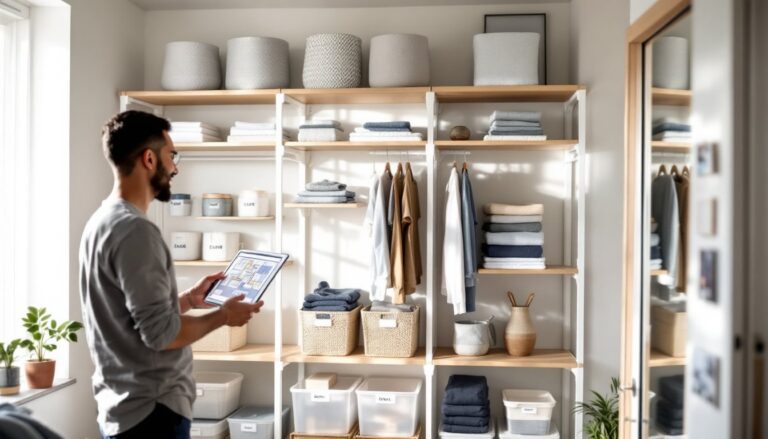
Before you buy a single shelf or organizer, take inventory. Pull everything out, yes, everything. Grab a tape measure and note your closet dimensions (width, depth, height, and depth of existing rods). Check for dead zones: corners that never get used, spaces above doorways, areas under windows.
Sort clothes into three piles: wear regularly, wear occasionally, and never. Be honest. That sequined jacket from 2015 isn’t making a comeback. The seasonally-worn stuff (winter coats, summer dresses) needs separate treatment from everyday basics.
Count hanging versus folding pieces. If you’re 70% hangers and 30% folds, vertical hanging space matters more. If you fold most things, shelf depth and drawer quantity drive the plan. Measure your largest item, wedding dress, winter coat, or jeans stack, so your storage doesn’t fall short.
Know your climate too. Humid areas need breathable storage: dry climates tolerate plastic totes. This assessment takes 30 minutes but saves weeks of regret.
Vertical Storage: Shelving and Hanging Systems
Wall space is your best friend. Vertical storage multiplies usable area without eating floor real estate, critical in bedrooms where every inch counts.
Hanging rods are the workhorses. A standard closet rod holds 25–35 pounds: reinforce it with heavy-duty brackets (rated for 50+ pounds) if you’re loading it with winter coats or heavy fabrics. Install at 60–65 inches for normal hanging length, or 30–40 inches for folded items stacked on shelves below.
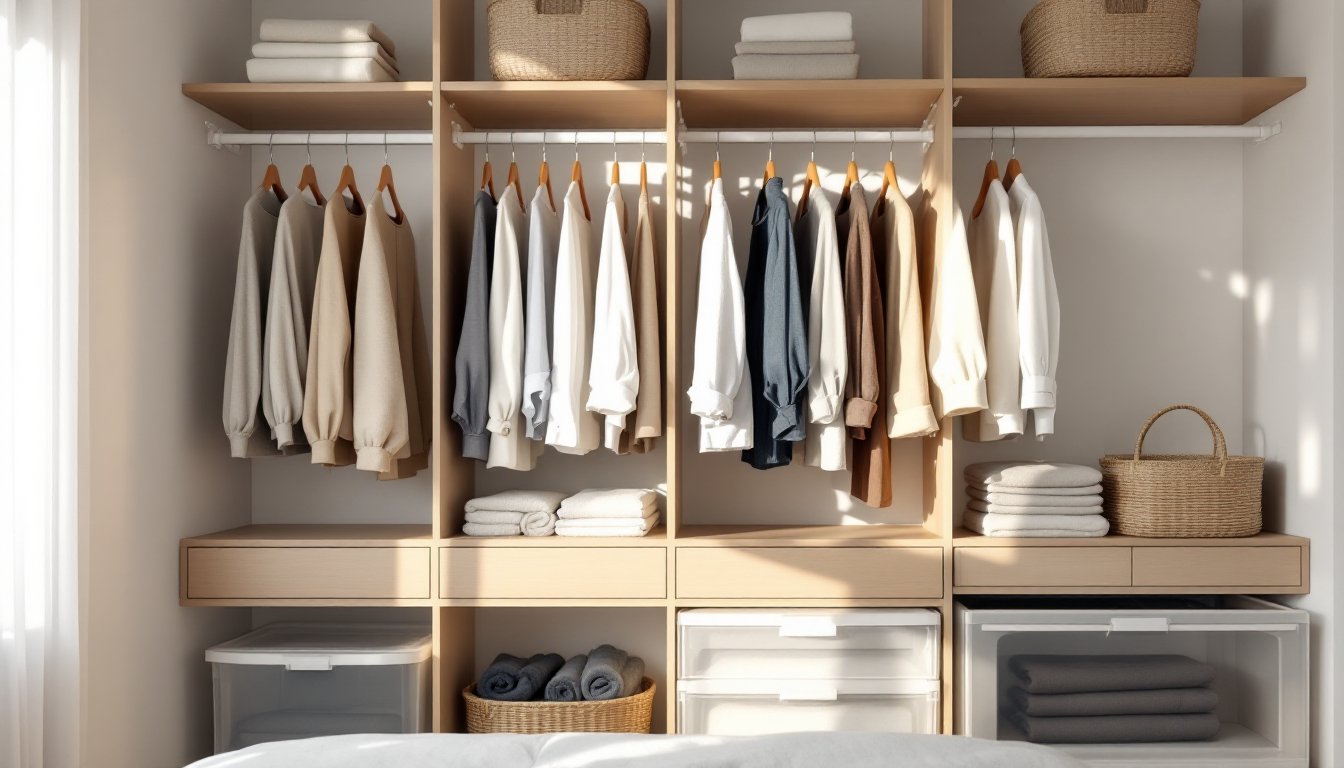
Double-hanging systems work if you have 4–5 feet of vertical space. One rod at 30 inches, another at 60 inches, perfect for shirts, pants, and skirts without wadding. Clothing stored on stylish storage solutions for small spaces often follows this tiered approach.
Wall-Mounted Shelves and Rods
Materials matter here. Solid wood shelves (¾-inch thickness minimum) or engineered shelving both work. Measure the span between wall studs, typically 16 inches on center. For a 24-inch shelf holding stacked sweaters, use French cleats or heavy-duty floating brackets anchored directly into studs. Drywall alone fails under weight.
Shelf spacing: 12 inches between shelves suits t-shirt stacks. Jeans and heavier knits need 14–16 inches. Leave wiggle room, clothes need air circulation, not crushing.
Rod and shelf combos maximize variety. Mount a rod from 48–60 inches, shelves above (for hats, bags) and below (for folded items). This layout handles mixed wardrobes beautifully.
Installation: Use a stud finder (non-magnetic types run $20–40 and beat guessing). Drill pilot holes and screw into studs with ¼-inch structural screws minimum. Skip shelf pegs in dense wood: screw-anchored brackets are permanent and safe.
Under-Bed and Hidden Storage Options
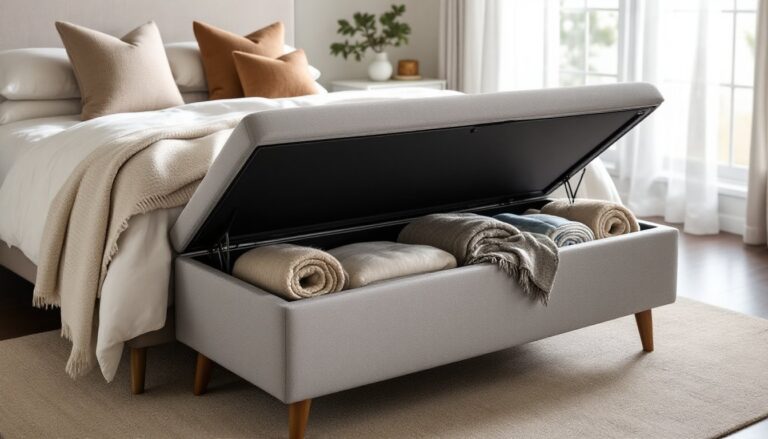
Under-bed space is often wasted. Standard beds sit 8–12 inches off the floor, plenty of room for low-profile plastic bins or fabric drawers. Measure height and length first: bins should slide freely without snagging on the frame.
Plastic storage containers (transparent or opaque) cost $10–25 each. Label them. Plastic breathes poorly, so rotate contents seasonally and inspect for moisture. Felt-lined or canvas containers ($20–40) let fabric breathe better, worth it if humidity is an issue.
Consider rolling carts or pull-out drawers (DIY using wooden slides, $8 per pair). These beat traditional bins if you hate contorting to reach buried sweaters. Soft-close drawer slides reduce slamming noise and extend life.
Other hidden spots: overhead closet shelves, the top of armoires, even the area above window frames. Install floating shelves here using the same bracket technique, just measure twice and anchor into studs. Vacuum-seal bags compress seasonal wear by 75%, but they damage elastic and can trap moisture if the seal leaks. Use them sparingly for off-season storage.
Don’t ignore door space. Over-the-door racks ($15–35) hold shoes, scarves, and belts if your closet allows 2 inches of swing clearance.
Closet Organizers and Dividers
Pre-made closet organizer kits vary wildly in quality. Wire shelving units ($100–300) are modular and adjustable, great for renters because they install without permanent mounting. Double-check load ratings and anchor the top rail to prevent tipping if you have kids or pets around.
Shelf dividers ($8–15 per pair) are cheap insurance. They stack folded clothes neatly without the leaning-tower effect. Use wooden or acrylic types: fabric stretches.
Hanging organizers, those cloth boxes that dangle from rods, hold shoes, bags, or off-season items. They free shelf space but block light and air. Limit them to one or two: too many feel claustrophobic.
Drawer dividers (wood, acrylic, or fabric) cost $10–30 and transform junk drawers into socks-only or underwear-only zones. Rolling pullout baskets ($30–60 per basket) are pricier but glide smoothly and suit awkward shelf depths perfectly.
Consider hanger type too. Slimline velvet hangers ($0.50 each) save 40% space versus plastic bulky ones and prevent slipping. For heavy coats, thick wooden hangers ($2–4) distribute weight properly. Mismatched hangers look chaotic, uniformity costs $30–50 for a set of 20 but pays dividends visually and functionally.
Many DIYers also turn to reusable storage options that double as decor. Woven baskets from thrift stores or craft stores offer sustainability and style at 50% less than branded systems.
Seasonal Rotation and Decluttering Strategies
Once storage is built, maintenance is key. Spring and fall are rotation windows. Pull summer clothes and pack winter coats before the weather shifts.
Create a simple rotation schedule: check four bins or areas every 90 days. Pull items you didn’t wear, worn items you don’t love, and anything damaged. Honesty here prevents storage bloat, studies show people wear 20% of their wardrobe 80% of the time.
Use the hanger trick: Turn all hangers backward at season’s start. As you wear something, flip the hanger forward. At season’s end, anything still backward didn’t get worn, donate it. You’ll be shocked how much goes.
Label bins clearly with waterproof label makers ($20–40). A handwritten sticker falls off: printed labels stick through humidity and dust. Include the contents and season. Store boxes in cool, dark closets away from direct sun (UV fades fabrics).
Clothing that’s off-season should be clean, dry, and in sealed containers. Moths love dirty fibers. Cedar blocks or lavender sachets ($3–8) deter pests without harsh chemicals. Replace them annually.
Don’t treat storage as a museum. Donate regularly. Storage solutions archives on DIY sites often feature posts on donating wisely, many local nonprofits welcome clothes. Selling gently worn items online (Poshmark, Mercari) recovers some cost and motivates honest decluttering.
Every 12 months, audit the entire system. Did you use that pull-out drawer? Did the hanging dividers help? Adjust. Storage should adapt to how you actually dress, not how you think you should.
Conclusion
Smart clothes storage starts with understanding what you own, then building systems that match your habits, not Instagram’s vision. Vertical shelves and rods multiply space, under-bed bins hide bulk, and good dividers keep things tidy. Rotate seasonally, declutter honestly, and your closet stays functional year-round. Start with one section, succeed there, then expand. Small wins build momentum and confidence.